Wandsworth Common Deep Cleaning Services for Flats SW18
If your flat in SW18 feels tidy on the surface but somehow still not properly clean, you are not imagining it. Dust builds up behind radiators, grease settles around hobs, limescale clings to taps, and the little hidden jobs start to show all at once. That is exactly where Wandsworth Common deep cleaning services for flats SW18 make a real difference. This guide explains what deep cleaning actually includes, how it works in a flat, who needs it most, and how to judge whether a service is worth booking.
Whether you are moving in, moving out, recovering after a hectic few months, or just trying to reset the place, a thorough clean can take the pressure off. And honestly, once you have seen the difference in a freshly deep-cleaned kitchen or bathroom, it is hard to go back.
Why Wandsworth Common deep cleaning services for flats SW18 Matters
Flat living comes with its own cleaning quirks. Space is tighter, ventilation can be limited, and shared entrances or hallways mean more foot traffic and more grime brought in from outside. In Wandsworth Common, many flats also have a mix of older fittings, modern refurbishments, and compact layouts, which means dirt tends to collect in awkward corners rather than obvious ones.
A standard weekly tidy is useful, of course. But it rarely gets into extractor fans, skirting boards, tile grout, cupboard tops, behind appliances, or the inside edges of windows where condensation leaves marks. Deep cleaning is the reset button. It is the service you choose when a regular clean is no longer enough and you need the whole flat brought back to a healthy, polished baseline.
There is also a practical side that people sometimes overlook. A cleaner flat is easier to maintain, smells fresher, and can reduce the feeling of carrying "unfinished jobs" around in your head. That sounds small, but it matters. Let's face it, coming home to a flat that actually feels clean changes the whole evening.
For many residents, deep cleaning is also linked to life transitions. A new tenancy, a long-overdue seasonal reset, a post-renovation clear-up, or a preparation clean before guests arrive. In each case, the point is the same: tackle the places that tend to get skipped.
How Wandsworth Common deep cleaning services for flats SW18 Works
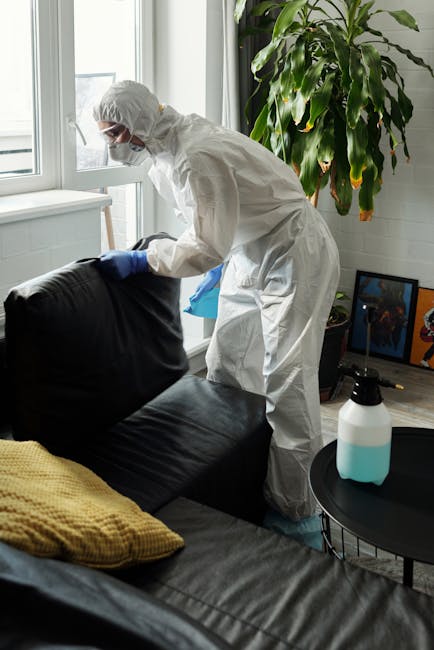
Deep cleaning is not just "more cleaning". It is a more detailed process that usually follows a clear plan. A good cleaner or cleaning team will work room by room, starting with the areas that need the most attention and moving through the flat in a way that avoids cross-contamination. For example, bathroom tools should not be used in the kitchen, and a cloth used for dusty blinds should not then wipe a food prep surface. Obvious, yes, but not always done.
In a flat, the process usually begins with an assessment of what needs attention most urgently. That might be grease in the kitchen, soap scum in the bathroom, pet hair on upholstery, or heavy dust around skirting boards and vents. The cleaner then uses the right products and equipment for each surface rather than one spray-and-pray approach that leaves streaks everywhere. Nobody wants that faint chemical smell hanging around all evening either.
Many deep cleans include some combination of the following:
- Kitchen degreasing, including hob, splashback, cupboards, and sink area
- Bathroom descaling, scrubbing, and sanitising of high-touch fittings
- Dust removal from skirting boards, ledges, light switches, and sockets
- Vacuuming and edge cleaning on floors, carpets, and rugs
- Internal window and frame wiping
- Spot treatment for stains, marks, and odours where appropriate
- Detail work around appliances, furniture edges, and hard-to-reach corners
The best results usually come from pairing general deep cleaning with targeted add-ons. For example, a flat with tired carpets may benefit from carpet cleaning, while a furnished rental might need sofa cleaning or upholstery cleaning. If the kitchen is the main issue, an oven cleaning service can save a huge amount of time and elbow grease.
And yes, the order matters. You do not want freshly cleaned surfaces dusted over again because the team started in the wrong room. Simple logic, but it makes a big difference.
Key Benefits and Practical Advantages
The obvious benefit is cleanliness. But the real value goes beyond appearances. A properly deep-cleaned flat feels easier to live in, and that feeling tends to spread into everything else. Kitchen counters get used more confidently. Bathrooms feel less grimy. Floors stop sticking underfoot. The place just works better.
Here are the main advantages people usually notice first:
- Better hygiene: Hidden grime, dust, and residue are removed from places routine cleaning can miss.
- Less stress: A reset clean makes the flat feel manageable again.
- Improved presentation: Useful for landlords, tenants, guests, and anyone preparing for photos or inspections.
- Longer-lasting surfaces: Regular descaling and proper product use can help fittings and finishes look better for longer.
- Odour reduction: Cooking smells, damp mustiness, and pet-related odours can be reduced when the source areas are properly treated.
There is also a practical advantage for people who keep on top of regular cleaning but never quite get time for detail work. Deep cleaning fills the gap. It is the difference between "looks okay" and "actually feels fresh".
Expert summary: If a flat is already generally tidy, deep cleaning is about detail, not drama. The value comes from the overlooked places: grout lines, edges, handles, switches, vents, hidden dust, and built-up residue. That is where the transformation happens.
For landlords or tenants at the end of a tenancy, this is especially useful alongside end of tenancy cleaning. For someone moving into a new place, a deep clean can pair well with move in cleaning so you are not unpacking into somebody else's leftover mess. Not ideal, frankly.
Who This Is For and When It Makes Sense
Deep cleaning is not only for special occasions. In real life, it is often the sensible option when the flat has accumulated too much everyday build-up. If you are unsure whether you need it, ask yourself one simple question: would a normal clean actually solve the problem, or are you trying to remove weeks or months of buildup?
It tends to make sense for:
- Tenants preparing for the end of a tenancy
- Homeowners wanting a seasonal reset
- New residents who want a hygienic start in a new flat
- Busy professionals who have fallen behind on the detail jobs
- Families with children, pets, or heavy day-to-day use
- People recovering from renovation dust or a build-up of grime after a hectic period
It can also be the right choice if your flat has awkward features: narrow bathrooms, fitted kitchen units, older grout, carpet in key living spaces, or difficult corners where dust gathers fast. These are the places that make a "simple tidy" feel strangely unsatisfying.
If you rent out your flat occasionally, it may also be worth looking at airbnb cleaning or one off cleaning depending on how often the property changes hands. The right service depends on how the flat is actually used, not just what you call it.
Step-by-Step Guidance
If you are booking Wandsworth Common deep cleaning services for flats SW18 for the first time, it helps to know what a sensible process looks like. Here is the practical version, without the fluff.
- Walk through the flat room by room. Note problem areas, stains, limescale, grease, odours, dust, and any delicate surfaces.
- Decide what needs the most attention. Kitchens and bathrooms usually come first because they tend to collect the worst build-up.
- Clear clutter where possible. The less time spent moving random objects, the more time spent on actual cleaning.
- Choose any add-on services. Carpets, sofas, mattresses, rugs, and curtains often need their own treatment if they are heavily used.
- Confirm access and timing. Flats can involve buzzer systems, parking constraints, narrow stairwells, or lift access. Best to sort that early.
- Ask what products and methods will be used. This matters if you have pets, allergies, special finishes, or sensitive surfaces.
- Inspect the result carefully. Check the places people often forget: behind taps, inside cupboards, around extractor covers, and along skirting boards.
That final inspection is not about nitpicking. It is about making sure the job covered the areas you actually cared about. A quick check saves a lot of annoyance later. And yes, the tiny corners matter more than people think.
If your flat has hard flooring that needs extra care, hard floor cleaning may be a useful addition. If there are marks on textiles or stubborn spots in soft furnishings, stain removal can be the difference between "much better" and "fully sorted".
Expert Tips for Better Results
A few small choices can make a deep clean noticeably better. In our experience, the difference between a decent result and a really satisfying one is often in the preparation and the details.
- Start with the worst room first. When the kitchen is greasy or the bathroom is tired, tackle that early while energy is high.
- Declutter surfaces beforehand. Cleaners can work around items, but removing clutter lets them reach the grime properly.
- Tell the cleaner about problem spots. A stubborn mark near the hob or a musty patch behind a sofa is easier to treat if flagged early.
- Use the right service for each material. Curtains, rugs, mattresses, and sofas all behave differently. A one-size-fits-all clean is rarely the best route.
- Think about airflow. After a deep clean, open windows if you can. It helps finishes dry properly and leaves the place feeling genuinely fresh.
If you have a lot of fabric items in the flat, you might also consider rug cleaning, mattress cleaning, or curtain cleaning. Those items absorb odours and dust more than people realise. You do not notice until you do.
A small human note: don't leave the extractor fan grilles for "another day". That day somehow never comes. Better to deal with them once and enjoy the silence.
Common Mistakes to Avoid
Most disappointing deep cleans come down to a few preventable mistakes. Nothing dramatic, just the sort of things that quietly spoil the outcome.
- Expecting a normal clean to behave like a deep clean. They are not the same thing. Different time, different tools, different scope.
- Not mentioning hidden issues. Stains behind appliances, mould patches, and pet odours do not always show up in a quick walk-through.
- Forgetting about textiles and soft surfaces. A sparkling kitchen next to a stained sofa still feels half-done.
- Leaving clutter everywhere. It slows the job down and hides the areas that need the most attention.
- Ignoring access details. A cleaner can be ready at the door, and still lose time if parking, buzzers, or keys are not sorted.
Another common mistake is booking the service too late. If you are moving, hosting, or expecting an inspection, leaving the clean until the final hour is asking for stress. Truth be told, that last-minute rush never feels good.
Also, be careful with harsh products on delicate finishes. High-shine surfaces, sealed wood, and specialist flooring can look worse if they are treated carelessly. Better to ask first than try to rescue a finish later.
Tools, Resources and Recommendations
Good deep cleaning relies on the right kit, but also on using it in the right order. A capable team will usually work with a mix of microfiber cloths, detail brushes, vacuums with suitable attachments, non-abrasive cleaners, descalers, degreasers, and surface-safe disinfectants.
For flats in SW18, the most useful tool set is often the least glamorous one. Small brushes for grout, cloths that do not smear, vacuums that can reach edges, and the patience to do the awkward spots properly. The glamorous stuff is overrated anyway.
Useful service pairings often include:
- deep cleaning for whole-flat resets
- domestic cleaning for ongoing home care
- regular cleaning if you want to keep the flat in steady shape after the reset
- move out cleaning when handing a property back
- move in cleaning before settling into a new place
If your flat has shared parts of the building that also need attention, communal area cleaning may be relevant too. That can matter in blocks where the entrance, stairs, or hallways affect the first impression as much as the flat itself.
For services involving smoke, cooking residue, or persistent marks, a careful combination of oven cleaning and targeted pet stain odour removal can improve results more than general cleaning alone.
Law, Compliance, Standards, or Best Practice
For domestic cleaning in the UK, the main practical concerns are safety, insurance, transparency, and responsible handling of products and waste. You do not need a law degree to book a clean, but you should still expect a provider to work carefully and communicate clearly.
Good practice usually includes:
- Using products safely and appropriately for each surface
- Being clear about what is included and what is not
- Handling access, keys, and valuables responsibly
- Working with suitable insurance and sensible safety procedures
- Protecting residents, pets, and the property during the clean
It is also sensible to check a company's own policies before booking. Pages such as health and safety policy, insurance and safety, payment and security, and terms and conditions help set expectations and reduce misunderstandings later.
For customers who care about environmental impact, recycling and sustainability can also matter, especially if a lot of packaging waste or cleaning-product packaging is involved. Best practice is not always dramatic. Often it is simply tidy, careful, and transparent.
One small but important note: if you have allergies, asthma, or highly sensitive finishes, ask about products before the team arrives. That is not being fussy. That is just sensible.
Options, Methods, or Comparison Table
Different flat-cleaning needs call for different methods. Here is a simple comparison to help you decide what is likely to suit your situation.
| Option | Best for | Typical strengths | Watch-outs |
|---|---|---|---|
| Regular cleaning | Keeping a flat in steady day-to-day shape | Good maintenance, less buildup, predictable routine | Usually not enough for heavy grime or neglected detail areas |
| One-off cleaning | A single refresh without ongoing visits | Flexible and practical for occasional resets | May not include the same level of detail as a full deep clean |
| Deep cleaning | Built-up dirt, hidden grime, and thorough resets | Detailed, room-by-room, suited to problem areas | Requires more time and clearer scope |
| End of tenancy cleaning | Moving out and aiming to leave the property ready | Focused on handover standards and surface detail | Can be stricter and more comprehensive than a standard reset |
| Move in cleaning | Starting fresh in a new flat | Removes previous occupancy residue and dust | Best booked before unpacking if possible |
If you are still unsure, think about the level of build-up rather than the label. That usually tells you what you need. And if your flat has been empty, dusty, or recently refurbished, after builders cleaning may actually be the more relevant choice.
Case Study or Real-World Example
Picture a typical SW18 flat after a busy year: a small hallway with dusty skirting, a kitchen where grease has settled around the hob, a bathroom with limescale around taps, a living room where the sofa has picked up pet hair, and a bedroom that looks fine until the curtains are drawn and the dust appears in the daylight. Nothing shocking, just life.
In a situation like that, a deep clean usually starts with the kitchen and bathroom, because those are the areas where grime becomes visible fastest. Then the cleaner moves to the living space, where the sofa, rug, and floor edges are treated. Finally, the bedroom and hallway get detail work: switches, frames, skirting, and the corners that tend to be ignored for months on end.
What changes most is not just the visual result. The flat feels lighter. The bathroom smells cleaner. The kitchen stops feeling sticky. The sofa no longer throws up a cloud of dust every time you sit down. You can actually notice the floor again. A small thing, maybe, but it changes how you use the home.
That is why the service matters. Not because every flat needs a dramatic overhaul, but because a careful reset can quietly improve daily life.
Practical Checklist
Use this checklist before booking or at least before the cleaners arrive. It saves time and avoids those annoying little oversights.
- Identify the main problem rooms
- Remove clutter from worktops, shelves, and floors
- Make note of stains, odours, and damaged areas
- Check whether carpets, rugs, sofas, or mattresses need separate treatment
- Confirm access details, parking, and entry instructions
- Ask about products if you have pets, allergies, or delicate finishes
- Set aside items that should not be moved or cleaned
- Review what is included in the service scope
- Plan a quick inspection at the end
Quick rule of thumb: if you are embarrassed to show the area to a guest, it probably needs more than a standard wipe-down. That's the honest version.
Get a free quote today and see how much you can save.
Conclusion
Wandsworth Common deep cleaning services for flats SW18 are most useful when you need more than a tidy surface. They help remove built-up dirt, restore hard-to-reach areas, and make a flat feel genuinely cared for again. Whether the goal is a move, a reset, or simply a better home to live in, the real value comes from the detail work.
If you take anything from this guide, let it be this: choose the service based on the condition of the flat, not just the label on the page. The right clean should match the way you live, the surfaces you have, and the results you want. Simple enough, but it saves a lot of regret later.
And when the place finally looks and smells like it should, there is a quiet satisfaction in that. A proper deep clean does not shout. It just makes home feel right again.
Frequently Asked Questions
What is included in a deep clean for a flat in SW18?
It usually includes detailed cleaning of kitchens, bathrooms, floors, skirting boards, high-touch areas, and awkward spots that normal cleaning often misses. The exact scope can vary, so it is wise to confirm what is included before booking.
How is deep cleaning different from regular cleaning?
Regular cleaning maintains a home. Deep cleaning goes further and targets buildup, hidden grime, and detail areas such as grout, behind appliances, frames, and fittings. It is more thorough and usually takes longer.
Do I need to clear the flat before a deep clean?
Not completely, but clearing clutter from surfaces, floors, and storage areas helps a lot. The less time spent moving items around, the more time can go into proper cleaning.
Can deep cleaning help with smells in a flat?
Yes, often it can. Cooking residue, pet odours, damp patches, and soft furnishings can all contribute to lingering smells. Treating the source areas usually helps more than masking the scent.
Is deep cleaning a good idea before moving into a new flat?
Absolutely. A fresh start is much easier when the flat has been cleaned properly first. It is especially useful if you want to avoid unpacking into someone else's dust and residue.
How long does deep cleaning take in a typical flat?
It depends on the size and condition of the property. A small, tidy flat takes less time than one with heavy buildup, fabric furnishings, or extra problem areas. Condition matters just as much as size.
Should carpets and sofas be cleaned separately?
Often, yes. Carpets, sofas, rugs, and mattresses may need specialist attention if they are stained, dusty, or heavily used. Services like carpet cleaning and sofa cleaning can be useful add-ons.
What should I ask before booking a deep clean?
Ask what is included, how access will work, whether products are suitable for pets or allergies, and whether any extra services are available for carpets, ovens, or upholstery. Clear expectations make the whole thing smoother.
Is end of tenancy cleaning the same as deep cleaning?
Not always. They overlap, but end of tenancy cleaning is usually more focused on handover expectations and leaving a property ready for the next occupant. Deep cleaning is broader and can be used at many different stages of flat life.
Can I book a deep clean if I only need part of the flat done?
Yes, many people do that. A kitchen-and-bathroom focus, for example, can make sense if those are the most neglected rooms. It is often better to target the real problem areas than to clean everything lightly.
What if my flat has recently had building work done?
Post-renovation dust can be stubborn and spreads into corners you would not expect. In that case, after builders cleaning may be a better fit than a standard deep clean, or it may be paired with it.
How can I keep the flat cleaner after the deep clean?
A regular cleaning routine helps most. Quick wipe-downs in the kitchen, ventilation in the bathroom, and vacuuming edges before dust settles again all make a real difference. Small habits, repeated, work best.
Where can I learn more about booking and payment?
You can review pricing and quotes and payment and security to understand how the service is handled. If you still have questions, the company's about us page is a useful place to start.