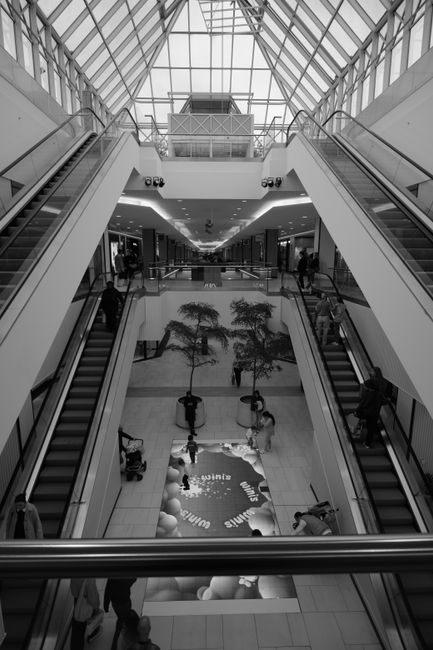
Southside Shopping Centre carpet cleaning guide for shoppers
If you are heading into Southside Shopping Centre and want your carpets looking fresher, safer, and easier to maintain, this guide is for you. The Southside Shopping Centre carpet cleaning guide for shoppers covers the practical side of keeping carpets clean around a busy shopping trip: what matters, how professional cleaning works, what shoppers should look out for, and when it makes sense to arrange help rather than just hoping a stubborn mark will fade on its own. Let's face it, a spill near the entrance, a muddy patch after rain, or a well-worn shop floor can be noticed in seconds.
Whether you manage a unit, support a business inside the centre, or simply care about the state of the shared spaces you walk through, the basics are surprisingly useful. A good carpet cleaning approach does more than improve appearance. It helps reduce odours, supports a more comfortable shopping environment, and can extend the life of flooring that gets a lot of footfall. This article keeps things straightforward, but not shallow.
Table of Contents
- Why this matters
- How the cleaning process works
- Key benefits and practical advantages
- Who needs this and when it makes sense
- Step-by-step guidance
- Expert tips for better results
- Common mistakes to avoid
- Tools, resources and recommendations
- Law, compliance, standards, or best practice
- Options and methods comparison
- Case study or real-world example
- Practical checklist
- Conclusion
- Frequently asked questions
Why Southside Shopping Centre carpet cleaning guide for shoppers Matters
Shopping centre carpets take a beating. Think of repeated foot traffic, dropped drinks, tracked-in rainwater, and the occasional burst of food or makeup. In a place like Southside, that wear happens fast because people are constantly moving through entrances, corridors, and shared areas. A carpet can look fine from a distance and still hold dust, grit, and stains that make the whole space feel tired.
For shoppers, this matters because the environment affects comfort. Clean carpets do not just look better; they often smell better too. That may sound obvious, but you notice it the moment you walk from a fresh, cared-for interior into a space that feels damp or neglected. For businesses, cleaner carpets can help protect brand presentation and reduce complaints about the condition of shared areas. A tidy floor quietly says, "This place is looked after."
There is another reason people overlook. Grit acts like sandpaper. The more it sits in carpet fibres, the more those fibres break down. So, while surface vacuuming helps day to day, a deeper cleaning plan is what keeps the carpet from wearing out faster than it should. To be fair, most flooring problems start small and then become annoying later.
How Southside Shopping Centre carpet cleaning guide for shoppers Works
Carpet cleaning in a retail environment usually starts with inspection. A cleaner needs to understand the carpet type, the stain type, the level of soil, and whether there are any sensitive materials nearby. That first look matters because not every carpet behaves the same. Wool, synthetic blends, and low-pile commercial carpets all respond differently to moisture, heat, and cleaning solutions.
From there, the process typically follows a few familiar stages:
- Dry soil removal: Vacuuming or agitation removes loose dirt, crumbs, and grit before any liquid is applied.
- Spot treatment: Specific stains are treated separately so they do not spread during cleaning.
- Main clean: Depending on the carpet and setting, a method such as steam carpet cleaning or another controlled extraction process may be used.
- Rinse and extraction: Moisture and cleaning residues are pulled back out where possible to reduce drying time.
- Drying and finishing: Airflow, careful access management, and final checks help the carpet return to use safely.
The key thing shoppers rarely see is the judgment behind those steps. A good clean is not just "spray and scrub". In fact, heavy scrubbing can make some stains worse by pushing them deeper. The real skill is choosing the right method for the material and the mess.
Key Benefits and Practical Advantages
There are several practical reasons why a well-cleaned shopping centre carpet is worth caring about, even if you are just passing through for half an hour.
- Better first impressions: Neat carpets make an entrance feel more polished and welcoming.
- Fewer lingering smells: Food spills, damp shoes, and general footfall can create smells that hang around.
- Improved comfort underfoot: Clean fibres feel softer and less dusty.
- Longer carpet lifespan: Removing grit and residue helps slow down wear.
- Reduced stain visibility: Some marks are less obvious once the carpet is properly treated.
- Safer walking surfaces: Clean, well-maintained carpets are less likely to feel sticky or patchy underfoot.
For shoppers with children, mobility concerns, or just a busy day ahead, these things add up. Nobody wants to avoid a corridor because it smells stale or looks grim. A clean floor removes one of those little daily irritations. Not dramatic. Just helpful.
It also supports the wider cleanliness of the centre. Carpets sit alongside hard floors, windows, and communal areas, so if one part of the environment is neglected, the whole place can feel off. That is why some centres pair carpet care with communal area cleaning or broader commercial cleaning plans.
Who This Is For and When It Makes Sense
This guide is useful for several groups, not just property managers. If you are a shopper, it helps you understand what good maintenance looks like. If you run or supervise a unit, it helps you judge whether a carpet needs attention now or can wait. And if you look after a shared retail environment, it gives you a simple framework for making better decisions.
It makes the most sense when:
- there has been a noticeable spill or stain
- the carpet looks dull even after vacuuming
- odours seem to linger in one area
- the entrance gets a lot of wet-weather traffic
- you are preparing for a busy trading period
- the carpet has not had a deep clean for some time
There is a difference between everyday tidying and genuine restoration. A quick vacuum can keep things presentable. A proper carpet clean is usually needed when the fibres have become compacted, soiled, or patchy. If you have ever looked at a floor and thought, "It doesn't look dirty exactly, but it doesn't look right either," that is often the point where a deeper clean starts to make sense.
Step-by-Step Guidance
If you want to understand the process in a practical way, this is the cleanest route to follow.
- Identify the problem area. Is it a spill, general wear, a smell, or a combination of all three? Different issues need different treatment.
- Check the carpet type. Synthetic commercial carpet is usually more forgiving than delicate fibres, but not always. If you are unsure, assume caution.
- Clear the area. Move display stands, mats, loose items, and anything that could get damp or in the way.
- Vacuum thoroughly. Dry soil first. Always. It sounds basic because it is, but people skip this and then wonder why the result feels patchy.
- Treat stains early. The longer a stain sits, the more likely it is to bond with the fibre.
- Choose the right cleaning method. Heat, moisture, and cleaning chemistry should match the carpet's needs.
- Allow enough drying time. Rushing back onto a damp carpet can bring back dirt and create new marks.
- Inspect the finish. Look at edges, corners, and high-traffic lanes, not just the visible middle section.
For shoppers, the main takeaway is simple: good carpet cleaning is methodical, not rushed. The best results usually come from preparation and patience, not from using the strongest product in the cupboard.
Expert Tips for Better Results
Here are the kinds of practical details that make a noticeable difference.
- Blot, don't rub. Rubbing can spread the stain and distort the pile.
- Act before the stain dries. Fresh marks are much easier to manage.
- Use minimal moisture on sensitive areas. Over-wetting can cause slow drying and re-soiling.
- Think in terms of traffic lanes. Entrances and checkout corridors usually need more frequent attention than quieter spots.
- Match the method to the fibre. A hard-hitting clean is not automatically a better clean.
- Test first where possible. A small hidden area can reveal whether a product darkens or distorts the carpet.
One small but important tip: shoes matter. Wet, muddy, or gritty footwear is often the hidden reason carpets age quickly. During rainy London days, which we get plenty of, a mat system at entrances can save a lot of grief later. It is boring advice, yes, but boring advice is often the useful kind.
If the carpet is part of a larger maintenance plan, you might also think about related areas like stain removal or even hard floor cleaning nearby, because dirt travels more than people assume.
Common Mistakes to Avoid
Most problems come from trying to fix a carpet too quickly or with the wrong approach.
- Using too much detergent: Residue attracts dirt, which means the carpet looks dirty again sooner.
- Soaking the carpet: Excess moisture can lead to longer drying times and an unpleasant damp smell.
- Ignoring the stain type: Tea, coffee, food grease, ink, and mud all behave differently.
- Skipping vacuuming first: This just turns loose grit into a muddy mess.
- Cleaning only the visible spot: You can end up with a bright patch in the middle of a dull area, which looks odd.
- Using the wrong brush or pad: Aggressive tools can flatten the pile or leave swirl marks.
There is also the "leave it for later" mistake. Harmless-looking spills can set into a stubborn patch if no one deals with them early. Truth be told, carpet issues love being postponed. They become more annoying, not less.
Tools, Resources and Recommendations
You do not need a van full of equipment to understand or manage carpet care well, but a few tools are genuinely useful.
| Tool or resource | What it helps with | Why it matters |
|---|---|---|
| Commercial vacuum cleaner | Daily dry soil removal | Prevents grit from grinding into fibres |
| Spot treatment products | Targeted stain work | Useful for small, fresh spills |
| Extraction machine | Deeper carpet cleaning | Helps remove embedded dirt and residue |
| Microfibre cloths | Blotting and light cleaning | Gentler than rough cloths |
| Air movement / drying fans | Post-clean drying | Speeds up return to use |
If you are comparing professional options, it can help to look at the broader service mix too. Some situations need deep cleaning, while recurring wear in retail or office-like environments may be better handled with regular cleaning arrangements. For businesses with reception zones, waiting areas, or shop floors, commercial carpet cleaning is often the most relevant category to explore.
If a stain has moved beyond what simple spot treatment can handle, or if odours are becoming part of the problem, consider the specialists on pet stain odour removal or steam carpet cleaning pages for more context on deeper treatment methods. Even if your issue is not pet-related, odour logic is similar: find the source, treat it properly, and do not just mask it.
Law, Compliance, Standards, or Best Practice
For a shopping-centre setting, carpet cleaning is not just about appearance. It sits within wider expectations around workplace safety, hygiene, and general care for the public. In the UK, that usually means thinking carefully about slip risk, access, drying time, and the safe use of cleaning products. You do not need to overcomplicate it, but you do need a sensible process.
Good practice normally includes:
- keeping walkways as clear as possible during cleaning
- warning people when an area is damp or temporarily restricted
- using products according to manufacturer guidance
- making sure cleaning staff understand the carpet type before starting
- choosing methods that reduce unnecessary disruption
It is also wise to consider insurance and operational safety before any larger clean. If you are arranging work in a busy shared area, review the provider's insurance and safety information and their approach to health and safety. That is not paperwork for its own sake; it is part of protecting people who are walking in and out all day.
Environmental care matters too. Overuse of chemicals, wasteful water use, and poor disposal practices are all things a responsible provider should think about. If sustainability is important to your site, you may also want to look at recycling and sustainability practices as part of the wider service picture.
Options, Methods, or Comparison Table
Different carpet-cleaning methods suit different situations. Here is a simple comparison that can help you decide what is appropriate.
| Method | Best for | Pros | Limitations |
|---|---|---|---|
| Vacuuming | Daily maintenance | Fast, low disruption, removes loose dirt | Does not remove deep stains or residue |
| Spot cleaning | Small fresh spills | Quick and targeted | Can leave patchy results if used alone |
| Steam or hot-water extraction | Embedded dirt and general soiling | Deep clean, strong finish, good for heavy use areas | Needs drying time and proper handling |
| Encapsulation or low-moisture methods | Quick turnaround areas | Less drying time, useful in busy environments | May be less effective on certain older stains |
| Professional stain treatment | Problem marks and odours | More precise and often more effective | Results depend on how long the stain has been there |
There is no single best method for every carpet. That is the whole point. A polished retail corridor that needs opening by morning may need a low-moisture approach, while a heavily soiled entrance might benefit from a deeper extraction clean. The right answer is usually the one that matches the use pattern, not the trendiest-sounding one.
Case Study or Real-World Example
Imagine a shopper-friendly retail entrance after a rainy Saturday. People have been coming in with wet coats, dirty soles, and shopping bags brushing against the carpet edges. By late afternoon, the entrance strip looks darker than the rest of the floor, and there is a faint damp smell near the doorway. Nothing dramatic, but enough to make the area feel a bit off.
A sensible response would be to vacuum the area first, then identify whether the darkening is just surface grit or a deeper stain line. If it is embedded soil, a targeted deep clean would be better than simply applying more detergent. The team would also need to manage drying, because a damp carpet near an entrance can bring new dirt in fast. One small detail makes a difference here: placing a clean barrier mat at the door once the area is dry can reduce repeat soiling almost immediately.
That kind of job sounds modest, but it changes the feel of the whole space. People do not usually say, "What a lovely carpet clean." They just move through the centre more comfortably. And that is fine. Good maintenance often works quietly in the background.
Practical Checklist
Use this checklist before arranging or carrying out carpet cleaning around a shopping centre environment.
- Identify the type of stain or wear pattern
- Check the carpet fibre and backing if known
- Vacuum thoroughly before wet cleaning
- Test a small hidden area where appropriate
- Choose the least disruptive suitable method
- Protect nearby fixtures, displays, and goods
- Manage access while the carpet dries
- Inspect edges, corners, and high-traffic lanes after cleaning
- Review whether the area needs regular rather than one-off care
- Keep a record of what was cleaned and when
If you are comparing service patterns, a one-off cleaning visit may be enough for isolated issues, while a busier site often benefits from a repeated plan. And if the carpet is part of a broader property clean, related services such as upholstery cleaning, curtain cleaning, or window cleaning may be worth considering at the same time.
Conclusion
Good carpet care at Southside Shopping Centre is really about keeping the space pleasant, safe, and easy to use. A carpet may seem like a small detail, but shoppers notice it immediately, even if only in passing. Fresh flooring supports the whole atmosphere of a retail environment, and that matters more than people think.
The practical rule is simple: remove dry soil often, treat spills quickly, choose the right cleaning method for the material, and allow proper drying time. Do that consistently, and the carpet will usually look better for longer, smell fresher, and wear more evenly. Small habits, repeated well, go a long way. Funny how that works.
Get a free quote today and see how much you can save.
Frequently Asked Questions
What is the best carpet cleaning method for a shopping centre?
It depends on the carpet type, how much foot traffic the area gets, and how quickly the space needs to be used again. Steam or hot-water extraction is often a strong choice for deep soiling, while low-moisture methods can suit busy areas that need quicker drying.
How often should carpets in a retail environment be cleaned?
There is no one fixed rule, but high-traffic areas usually need more frequent attention than quiet sections. Daily vacuuming is common, with deeper cleaning scheduled when the carpet begins to look dull, smell stale, or show visible wear.
Can shoppers help keep the carpet cleaner?
Yes, indirectly. Wiping shoes at entrance mats, avoiding food spills where possible, and reporting obvious stains early all help. Shoppers do not control the maintenance plan, of course, but their habits still matter.
Is steam cleaning safe for all carpets?
No, not automatically. Steam cleaning can be very effective, but the carpet fibre, backing, dyes, and drying conditions all need to be considered first. Delicate materials may need a gentler method.
What should be done about fresh spills?
Blot them gently with a clean cloth as soon as possible and avoid rubbing. The faster the spill is handled, the less likely it is to become a lasting stain. That little gap of time really counts.
Why do carpets sometimes look dirty again after cleaning?
This can happen if too much detergent was used, if the carpet was not rinsed properly, or if it was walked on before it had fully dried. Residue and re-soiling are common culprits.
How long does a shopping centre carpet take to dry?
Drying time varies depending on the method used, airflow, humidity, and the amount of moisture applied. Low-moisture cleaning dries faster, while deeper extraction methods usually need more time.
Are carpet cleaning products safe around customers?
They can be, when used correctly and according to guidance. In a public setting, cleaners should control access, manage damp areas carefully, and choose appropriate products for the carpet and the environment.
What is the difference between spot cleaning and deep cleaning?
Spot cleaning targets a small mark or spill. Deep cleaning tackles built-up dirt, residue, and more widespread wear across a larger area. They solve different problems, so one does not replace the other.
How do I know if a carpet needs professional attention?
If vacuuming no longer improves the appearance, if stains keep returning, or if the area smells musty or dull, it is usually time to consider a professional clean. The carpet is often telling you before anyone says it out loud.
Can carpet cleaning help with odours?
Yes, especially when the smell is caused by trapped dirt, moisture, or spilled substances. If the odour is more persistent, targeted treatment may be needed rather than a basic surface clean.
Is it better to clean carpets during opening hours or after closing?
After closing is usually easier because it reduces disruption and gives the carpet time to dry before the next wave of foot traffic. In some cases, low-disruption methods can be used during quieter hours, but timing still matters a lot.
Should a shopping centre use the same approach for carpets and hard floors?
No. Carpets and hard floors need different care because they hold soil differently and react differently to moisture and cleaning products. That is why services such as carpet cleaning and hard floor cleaning are usually planned separately.
Ultimately, the best carpet cleaning plan is the one that keeps the centre looking cared for without making life harder for shoppers or staff. A clean floor is not flashy, but it is reassuring. And on a busy day, reassurance matters more than most people admit.